Your car has arrived. Now clear it through customs.
After weeks at sea, your vehicle has docked at Mombasa Port. It's sitting in a container yard or RoRo lot, metres from Kenyan soil — but legally, it doesn't exist here yet. Between the vessel docking and the Release Order that sets it free, six procedures stand in the way. Each one mandatory. Here's the full sequence.
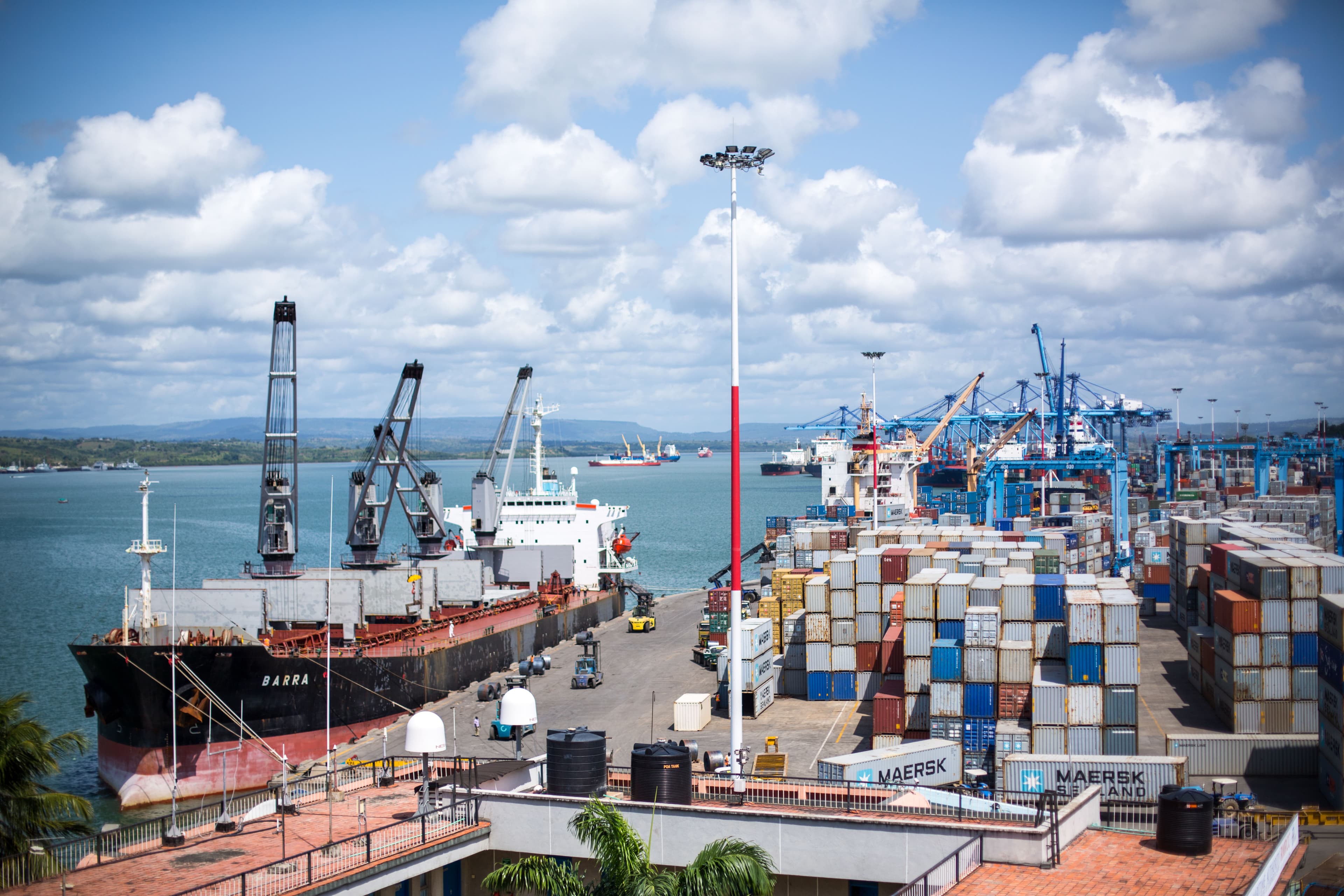
Mombasa Port
Kenya's main gateway for vehicle imports — every imported car passes through these docks before it reaches Kenyan roads.
Before the vessel docks
Seven documents. All originals. No exceptions.
Your clearing agent will walk these into customs the moment the vessel docks. Have every single one ready before the ship even enters Kenyan waters — demurrage charges start the day it arrives, and a missing paper means paying for idle time.
Demurrage charges accumulate daily from the moment of docking. A missing document doesn't just delay clearance — it costs you money every single day you wait.
Original Bill of Lading
Your shipping line issued this when the vessel sailed — it proves you own the cargo on board
Export Certificate
Issued by the source country confirming legal export of the vehicle
Commercial Invoice
The purchase price document — KRA will compare this against their own CRSP valuation
Pre-Export Inspection Certificate
JEVIC (Japan) or QISJ (UK) — proof the car passed roadworthiness before it shipped
Import Declaration Form (IDF)
Applied for through KRA before the vessel arrives — without it, nothing moves
Foreign Logbook / Title
The vehicle's original registration document from the source country
KRA PIN Certificate
Your personal KRA tax registration
The clearance process
Six procedures between your car and the Release Order.
Arrival Notice
The vessel docks at Mombasa and the clock starts ticking. Demurrage charges accumulate for every day your car sits at the port, so speed matters from this moment on. Your clearing agent receives the arrival notice from the shipping line and begins marshalling your documents.
Document Submission
Seven documents, all originals, all in order. Your clearing agent walks them into customs. This is where months of preparation either pay off or fall apart — a single missing paper can stall the entire clearance by days. Everything you gathered before shipping? It all converges here.
KRA Simba System Processing
Your agent uploads everything into KRA's Simba System — the digital backbone of Kenya customs. The system pulls up your vehicle's CRSP price, applies the depreciation schedule, and back-calculates exactly how much duty you owe. This is where our calculator's numbers meet KRA's numbers.
Duty Assessment & Payment
The assessment drops. Import Duty, Excise Duty, VAT, IDF fee, Railway Development Levy — all itemised, all non-negotiable. You pay through an approved bank. Nothing moves until every shilling is settled. This is the most expensive single moment of the entire import journey.
Physical Inspection
Customs officers walk up to your car. Chassis number checked. Engine number verified. Condition assessed against the declaration. Then KEBS steps in — roadworthiness, emissions, safety standards. Two agencies, one verdict. This step cannot be skipped, fast-tracked, or negotiated.
Release & Collection
Customs issues the Release Order. Port storage charges are settled. Your car is free. Arrange transport — a truck to Nairobi runs about KES 25,000. You'll collect three critical documents here: the Customs Entry Form (C63), the KEBS Inspection Certificate, and the KRA Customs Release. Hold onto them — you'll need every one for NTSA registration in Chapter 3.
Chapter complete
It's out of the port.
One chapter left.
Customs cleared. KEBS passed. Release Order in hand. Your car is on a truck heading to Nairobi — but it still doesn't have a Kenyan identity. The three documents you collected at release (C63, KEBS certificate, KRA release) are the keys to the final step: NTSA registration and your Kenyan number plates.